
Kangal Dog - Complete Breed Guide
Kangal Dog - Complete Breed Guide
Breed Overview
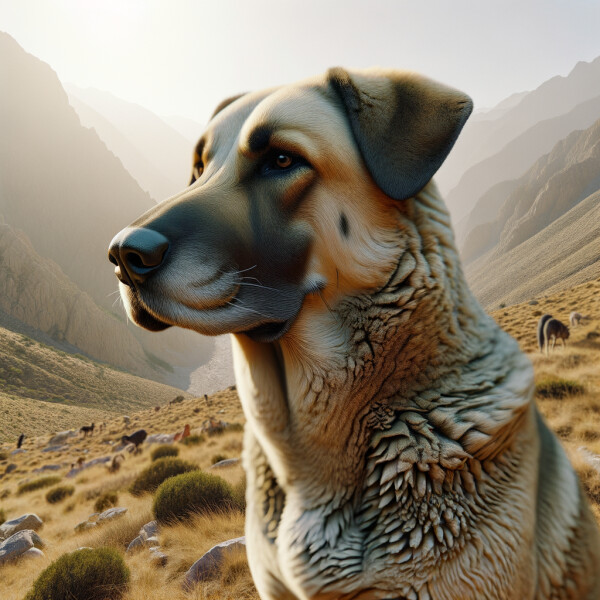
Bred for protecting livestock, this powerful and intelligent breed is known for its loyalty and bravery. Originating from Turkey, these dogs are natural guardians with a calm demeanor but are fearless when confronting threats. With a distinctive thick double coat and strong build, they are capable of taking on predators with ease. Known for their independence and territorial nature, proper socialization and training are crucial for a well-behaved pet. Renowned for their strong bonds with their families, Kangal dogs make devoted companions who excel in roles as both protectors and beloved pets.
Adoption & Local Availability
If you’re looking to bring a kangal dog into your home, there are several ways to find one available for adoption. Below are options to explore both local availability and general listings.
Size and Appearance
The Kangal is a large and powerful breed, known for its impressive size and majestic appearance. These dogs are muscular and well-built, with a strong, broad head and a deep chest. Their coat is typically short and dense, providing protection from harsh weather conditions. Kangals have a distinctive black mask on their face and ears, adding to their striking look. With a noble and confident presence, these dogs embody strength and grace in their physical stature, making them a formidable and awe-inspiring breed.
Health and Lifespan
Kangal dogs are generally a healthy breed with a lifespan of around 12 to 15 years. To maintain their health, regular exercise, a balanced diet, and routine veterinary check-ups are essential. They are prone to certain health issues like hip dysplasia, entropion, and bloat, so monitoring their weight and ensuring they do not overeat is crucial. It's important to provide them with a comfortable living environment, regular grooming, and plenty of mental stimulation to support their overall well-being and longevity.
Family Compatibility
Known for their loyalty and protective nature, these dogs are deeply attached to their families, making them excellent companions and guardians. Their gentle demeanor with children and their strong bonding abilities make them ideal family pets. However, their strong protective instincts can sometimes lead to aggression towards other animals or strangers if not properly socialized and trained. It is crucial for potential owners to provide early socialization, consistent training, and sufficient exercise to ensure a harmonious relationship with their kangal dogs. With proper care and attention, these dogs can thrive in a loving family environment.
Exercise Needs
Kangal dogs are large, active canines with high exercise needs. They thrive in environments where they have plenty of space to roam and explore. Daily exercise is crucial to keep them mentally and physically stimulated, preventing boredom and destructive behaviors. Long walks, runs, or play sessions are recommended to meet their energy requirements. Engaging in activities like agility training or hiking can also help satisfy their need for physical challenges. Providing a secure outdoor area for them to play freely is ideal, ensuring they stay healthy, happy, and well-exercised.
Diet and Feeding
Kangal dogs require a balanced diet rich in quality protein to support their muscular build and energy levels. A diet consisting of meat, such as lamb, with additional vegetables and whole grains is ideal. Feeding amounts should be tailored to their size, age, and activity level to prevent obesity. It's important to provide fresh water at all times and to avoid overfeeding, as Kangals can be prone to weight gain. Regular feeding schedules and monitoring their body condition are essential for maintaining their health and overall well-being.
Living Environment
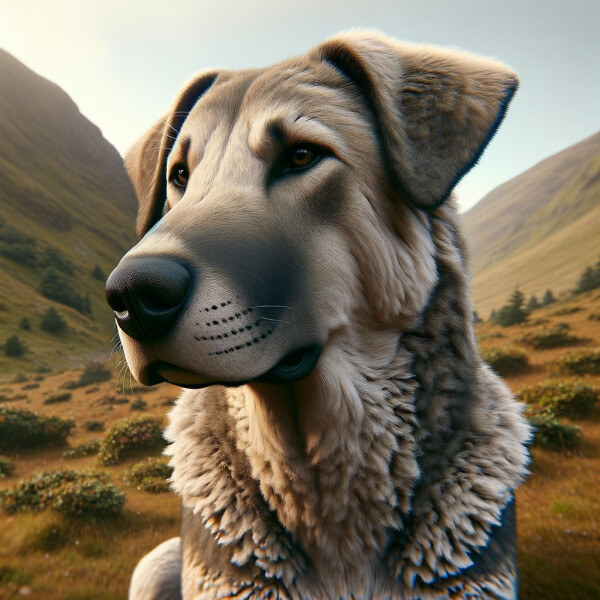
Kangal dogs thrive in spacious, rural settings where they have room to roam and fulfill their guardian instincts. They are well-suited for farm life, as they enjoy wide open spaces to monitor and protect. Secure fencing is crucial to keep them contained due to their strong prey drive and protective nature. They prefer cooler climates and may struggle in extremely hot weather. Daily exercise and mental stimulation are essential to prevent boredom and maintain their overall well-being. Kangal dogs are happiest when they have a job to do and plenty of space to stretch their legs.
Grooming
Kangal dogs have a double coat, consisting of a dense undercoat and a weather-resistant, slightly longer outer coat. Their coat sheds seasonally, and regular brushing during shedding periods helps control the amount of loose hair around the home. Bathing should be done when necessary, as frequent baths can strip their coat of natural oils. Kangal dogs are naturally clean dogs and typically groom themselves like cats, so maintaining their coat is relatively low-maintenance compared to other breeds. Regularly checking their ears, nails, and teeth is also recommended to ensure overall health and well-being.
Training and Intelligence
When it comes to training and intelligence, this breed excels due to their high intelligence and independent nature. They are known for their quick learning abilities and problem-solving skills, but can also be strong-willed and require a firm and consistent training approach. Positive reinforcement techniques work best with this breed, as they are sensitive to harsh training methods. Early socialization and training are crucial to ensure they grow up to be well-mannered and well-adjusted dogs. Overall, with the right guidance and training, this breed can excel in obedience and various activities.
Exercise and Activity Requirements
Kangal dogs are a highly active and energetic breed that require ample daily exercise to maintain their physical and mental well-being. These dogs thrive in environments that allow them to run and roam freely, making them well-suited for large open spaces or rural settings. Engaging in activities such as long walks, jogging, and interactive play sessions are essential to keep them stimulated and prevent boredom. It is recommended to provide at least 60-90 minutes of exercise daily to prevent behavioral issues and ensure a healthy, happy Kangal dog.
Socialization
Socialization is crucial for these confident and protective dogs. From an early age, expose them to various people, pets, and experiences to ensure they develop into well-rounded adults. Proper socialization helps prevent aggression towards strangers and other pets. Gradual introductions to different environments, sounds, and sights will build their confidence and reduce anxiety in unfamiliar situations. Positive reinforcement during socialization is key to shaping their behavior, helping them become calm and friendly companions. Providing ample opportunities for social interaction will result in a well-adjusted and sociable dog that thrives in different social settings.
Lifespan
Kangal dogs typically have a lifespan of 12 to 15 years. Their longevity is influenced by factors such as genetics, diet, exercise, and overall healthcare. Providing proper veterinary care, regular exercise, a balanced diet, and a loving environment can help ensure a kangal dog lives a long and healthy life. Owners should be aware of common health issues that can affect the breed, such as hip dysplasia and obesity, and take preventive measures to promote their kangal dog's well-being throughout its lifespan.
Common Behavioral Issues
Common behavioral issues seen in this breed include territorial aggression, independence, and stubbornness. The Kangal dog is known to be fiercely protective of its territory and can display dominance towards other animals. Due to their history as livestock guardians, they may exhibit independence and make decisions on their own. It's important for owners to establish leadership early on through consistent training and socialization to manage these tendencies effectively. Additionally, their stubborn nature can pose challenges in training, requiring patience and firm, positive reinforcement techniques to shape desired behaviors in a Kangal dog.
Special Considerations
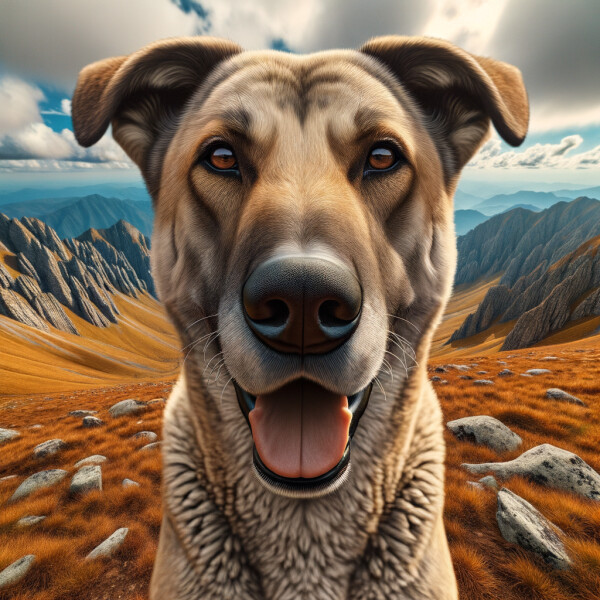
Special Considerations: The Kangal dog is a large and powerful breed known for its protective instincts and independent nature. As a livestock guardian, they require ample space to roam and a job to keep them mentally stimulated. Early socialization and training are key to managing their dominant tendencies. Potential owners should be prepared for their strong prey drive and potential aggression towards unfamiliar animals. Regular exercise is essential to prevent boredom and destructive behaviors. Due to their size and protective instincts, proper containment is necessary to prevent escapes and ensure the safety of both the dog and the community.
Guardian Instincts
Known for their unparalleled protective instincts, these dogs have a natural drive to guard and protect their loved ones and territory. With a strong sense of loyalty and courage, they are highly alert and vigilant, making them exceptional guardians. Their impressive size and strength, combined with their fearless nature, make them formidable protectors against potential threats. These dogs have an inherent ability to assess situations and act accordingly, making them trusted and reliable guardians for their families and property. Their protective instincts are deeply rooted in their breed history and continue to be a distinguishing trait of these remarkable dogs.
Allergies and Shedding
Kangal dogs are known for their minimal shedding, making them a good choice for allergy sufferers. Their dense double coat is weather-resistant and requires regular grooming to control shedding. While no dog is completely hypoallergenic, kangal dogs are considered a low-allergy breed due to their clean and odorless nature. Regular brushing helps to remove loose fur and minimize allergic reactions. Proper grooming and a balanced diet can help maintain the kangal dog's coat and reduce shedding, keeping both the dog and their human family members comfortable.
Cost of Ownership
Owning a Kangal dog involves significant financial responsibilities. Initially, purchasing a Kangal dog from a reputable breeder can cost between $1,000 to $2,000. Beyond the initial cost, owners should budget for high-quality dog food, which can amount to approximately $50-$100 per month. Additionally, routine vet check-ups, vaccinations, and preventive medications can add up to $500-$1,000 annually. Other expenses to consider include grooming, training classes, toys, and bedding. In total, the annual cost of owning a Kangal dog can range from $1,500 to $3,000, depending on the individual dog's needs and lifestyle.
Availability and Adoption
Kangal dogs are a rare and prized breed, known for their loyalty and protective nature. Due to their specialized breeding and unique qualities, they are not as readily available as some other breeds. Prospective owners interested in adopting a Kangal should do thorough research and be prepared to potentially wait for the right opportunity. It's essential to connect with reputable breeders or rescue organizations with experience in handling and placing Kangal dogs to ensure a successful adoption process. Potential owners should also be aware of the breed's specific needs and characteristics to provide a suitable and fulfilling forever home.
Famous Examples
One famous example of this Turkish breed is a Kangal named "Karabash Serdar." This Kangal dog gained recognition for his exceptional size, strength, and loyalty, making him a popular choice as a livestock guardian in Turkey. Another noteworthy Kangal, named "Shera," gained fame for her heroism in protecting a five-year-old boy from a wolf attack. These famous examples highlight the breed's natural instincts for protection and loyalty, further solidifying the Kangal's reputation as a dependable and courageous guardian in various situations.
Questions & Answers
1) Is the kangal dog a good fit for families or first-time owners?
Kangal dogs are loyal and protective, making them a great fit for families. However, they require experienced owners due to their protective instincts.
2) How much exercise and daily care does a kangal dog require?
Kangal dogs are a high-energy breed that requires regular exercise. They also need proper grooming, including coat care and nail trimming.
3) What health issues are common in kangal dogs?
Common health issues in kangal dogs include hip dysplasia, bloat, and entropion. Regular vet check-ups are important to maintain their well-being.
4) How is the temperament of a kangal dog typically described?
Kangal dogs are known for their calm, intelligent, and independent nature. They are fiercely loyal to their families but can be reserved around strangers.
5) What is the typical size and weight range of a kangal dog?
Male kangal dogs usually stand between 30-32 inches tall and weigh 110-145 pounds, while females are slightly smaller, standing at 28-30 inches and weighing 90-120 pounds.
6) Are kangal dogs good with other pets and animals?
Kangal dogs have a strong prey drive due to their history as livestock guardians. Early socialization is crucial to help them get along with other pets, but they may still display dominance towards unfamiliar animals.
7) What kind of living environment is best suited for a kangal dog?
Kangal dogs thrive in a spacious environment with a securely fenced yard. They are not well-suited for apartment living and need room to roam and explore.