
Mix - Complete Breed Guide
Mix - Complete Breed Guide

Breed Overview
The breed known as 'mix' is a delightful combination of various canine heritages, resulting in a unique blend of traits that make each individual dog one-of-a-kind. With diverse appearances and personalities, mixes exhibit a wide range of sizes, coats, and temperaments. Despite their mixed backgrounds, these dogs often showcase the best qualities of each breed in their lineage, making them adaptable, intelligent, and affectionate companions. Whether a mix favors one breed over another or displays a perfect balance of characteristics, their versatile nature and charming quirks make them beloved pets for families and individuals alike.
Adoption & Local Availability
If you’re looking to bring a mix into your home, there are several ways to find one available for adoption. Below are options to explore both local availability and general listings.
Size and Appearance
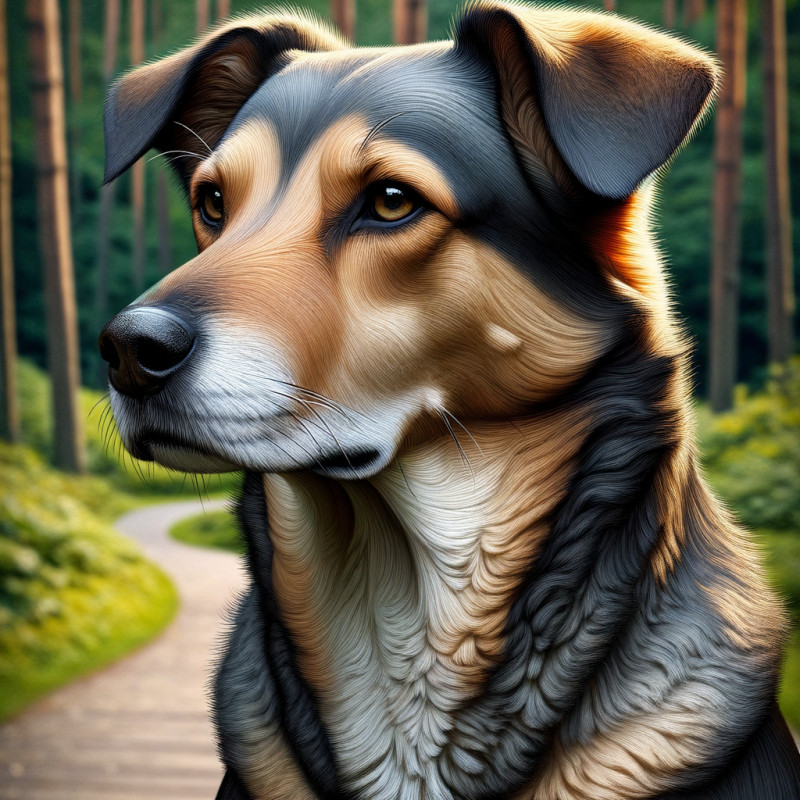
When it comes to the size and appearance of dogs of the "mixed" breed, there is a wide range of possibilities. These dogs can vary in size from small to large, with traits influenced by their parent breeds. Their appearance can showcase a unique blend of characteristics, such as coat color, texture, and body structure. It's common to see a mix of physical features from different breeds, making each individual dog distinct and special. Whether they inherit the floppy ears of a hound or the curly coat of a poodle, mixed-breed dogs offer a diverse and charming display of sizes and appearances.
Health and Lifespan
Health and Lifespan: As a breed known for its diverse genetic makeup, these dogs generally exhibit good overall health. Their lifespan typically ranges from 10 to 15 years, with proper care and nutrition playing a crucial role in their longevity. Regular exercise, routine veterinary check-ups, and a balanced diet are essential to maintaining their well-being. Due to the variability in their genetic composition, potential health issues may vary depending on the breeds involved. Common health concerns that may arise include hip dysplasia, heart conditions, and eye problems. Proper preventative measures and early detection can help mitigate these risks and ensure a healthy, happy life for these unique companions.
Family Compatibility
'Mix' breeds are known for their versatility and adaptability, making them excellent family companions. With a blend of various breeds, these dogs often exhibit a range of positive traits such as loyalty, intelligence, and gentle temperament. Their diverse genetic backgrounds contribute to their ability to bond well with family members of all ages, including children and other pets. Whether it's a mixed breed with a sporting heritage or a herding background, these dogs are typically eager to please and thrive on human interaction. Overall, 'mix' breeds make wonderful additions to any family looking for a loving and adaptable canine companion.
Exercise Needs
'Exercise Needs':
The breed exhibits a moderate to high energy level, requiring daily exercise to stay physically and mentally stimulated. A mix thrives on activities such as brisk walks, jogging, and interactive play sessions. Engaging in interactive games like fetch or agility training can help meet their exercise needs effectively. A lack of physical activity can lead to behavioral issues and potential weight gain, so it's important to provide outlets for their energy. With proper exercise and mental stimulation, a mix can be a happy and well-rounded companion in any household.
Diet and Feeding
When it comes to the dietary needs of this adaptable breed, a balanced diet rich in high-quality proteins, essential fats, vitamins, and minerals is key to promoting overall health and well-being. Adequate hydration should always be provided, and portion control is vital to prevent obesity. Due to potential allergies or sensitivities, owners should opt for premium dog food brands or consult with a veterinarian to determine the best feeding regimen. Regular mealtimes and avoiding table scraps help maintain a healthy weight and digestion. Ultimately, tailoring the diet to the individual dog's age, size, activity level, and health status ensures a happy and thriving companion.
Living Environment
Living Environment: The ideal living environment for this breed is one that provides plenty of space for exercise and exploration. A mix thrives in a home with a secure yard where they can roam freely and burn off their energy. Additionally, they enjoy being included in family activities and require ample mental stimulation to prevent boredom. This breed also does well in both urban and rural settings, as long as their exercise needs are consistently met. Overall, a mix is adaptable and can thrive in various living situations as long as they receive enough exercise, mental stimulation, and human companionship.
Grooming
Grooming requirements for dogs of mixed breeds can vary widely depending on their lineage, with coat length and texture being key factors. Regular brushing is recommended to prevent matting and tangling, while baths should be given as needed. Trimming nails, cleaning ears, and brushing teeth regularly are important aspects of grooming to maintain overall health. It's essential to use proper grooming tools and products suited to the individual dog's coat type. Professional grooming services may be necessary for some mixed breed dogs, depending on their specific grooming needs. Familiarize yourself with your dog's coat characteristics to establish an appropriate grooming routine for their unique requirements.
Training and Intelligence
Training and Intelligence: The breed demonstrates high levels of intelligence, readily learning new commands and tasks with ease. Their adaptable nature makes them highly trainable, excelling in obedience, agility, and other canine sports. Consistent positive reinforcement methods and mental stimulation are key in harnessing their potential. Due to their mixed heritage, training approaches may vary based on the specific breeds in their lineage. With proper socialization and consistent training, these dogs showcase impressive problem-solving abilities and a strong desire to please their owners, making them ideal companions for various activities and tasks.
Exercise and Activity Requirements
Exercise and Activity Requirements:
The breed requires moderate exercise to stay healthy and happy. Daily walks, playtime in a fenced yard, and interactive toys are recommended to keep them mentally and physically stimulated. Engaging in activities like agility training, obedience classes, and fetch can help fulfill their energy needs. Regular exercise is essential to prevent boredom and destructive behaviors. It's important for owners to tailor the exercise routine to their individual dog's age, size, and energy level. Overall, providing a mix with regular exercise and mental stimulation is key to a well-balanced and thriving companion.
Socialization
Socialization is crucial for ensuring a well-rounded and adaptable dog. Exposing them to a variety of people, animals, environments, and experiences from a young age helps them develop into confident and friendly companions. Proper socialization can prevent fearfulness, aggression, and other behavioral issues. It is important to make these experiences positive and rewarding for the dog to shape their interactions in the future. Regular socialization throughout their lives helps maintain their sociable and adaptable nature, making them more comfortable in diverse situations and with different types of stimuli. It ultimately contributes to their overall well-being and happiness.
Lifespan
A dog of mixed breeds typically has a lifespan that falls within the range of the various breeds in its lineage. This can vary widely depending on the specific mix of breeds, but in general, mixed-breed dogs tend to live between 10 to 15 years on average. Factors such as size, overall health, and genetics play a significant role in determining the lifespan of a mixed-breed dog. Providing proper care, regular exercise, and a healthy diet can help maximize the lifespan of a mixed-breed dog.
Common Behavioral Issues
Common Behavioral Issues in this breed can stem from their unique blend of traits and characteristics. Some may exhibit high energy levels, requiring ample exercise and mental stimulation to prevent boredom and destructive behavior. Others may display stubbornness or independence, leading to potential training challenges. Socialization is key to addressing any potential aggression or fearfulness towards unfamiliar people or animals. Separation anxiety is also a common issue in some individuals, necessitating a gradual desensitization process to help them cope with being alone. Consistent training, positive reinforcement, and patience are essential in managing and addressing these behavioral issues effectively.

Special Considerations
When considering a dog of mixed breed, it is important to remember that their unique genetic makeup can result in a wide range of characteristics and behaviors. As a result, potential owners should be prepared for possible health issues that may arise from the combination of different breeds. Additionally, mixed breed dogs may exhibit a combination of traits from each parent breed, making it crucial to provide proper socialization and training to ensure a well-rounded and happy companion. It is also recommended to research the specific parent breeds to better understand any potential inherited tendencies or needs.
Guardian Instincts
The breed possesses strong guardian instincts, making them vigilant and protective of their family members and territory. Known for their loyalty and courage, these dogs will not hesitate to defend their loved ones in times of danger. With proper training and socialization, they can differentiate between friend and foe, showcasing a calm demeanor when not provoked. Their innate sense of loyalty and dedication to their pack make them reliable and trustworthy companions, always ready to stand by their human family in any situation. Their natural protective instincts make them excellent watchdogs and guardians of the home.
Allergies and Shedding
'Allergies and Shedding': The breed tends to be hypoallergenic, making it an ideal choice for individuals with allergies. With a single or double coat, shedding can vary widely among individuals; regular grooming can help manage shedding. Vacuuming regularly and providing a balanced diet with omega-3 fatty acids can promote healthy skin and reduce shedding. Allergies to dogs are usually triggered by dander, saliva, or urine, so routine baths and keeping living spaces clean can help mitigate allergy symptoms. Consulting with a veterinarian about specific allergies and implementing a proper grooming routine can help minimize shedding and reduce allergic reactions.
Cost of Ownership
One of the advantages of owning a dog of this breed is that the cost of ownership can vary depending on the mix of breeds present in the dog. Generally, factors such as size, age, and individual health considerations can influence the expenses associated with regular veterinary care, grooming, food, and training. Potential owners should consider investing in high-quality food, routine veterinary check-ups, grooming supplies, toys, and bedding to ensure the well-being of their beloved pet. Additionally, budgeting for unexpected medical emergencies or professional training may be necessary, making it essential to plan for potential long-term expenses.
Availability and Adoption
With a diverse genetic background, dogs of this breed can be found in shelters, rescues, and even through specialized breed-specific adoption organizations. Due to the popularity of mixed breeds, adopting a dog of this type is relatively easy and can be done through local shelters or online adoption websites. The availability of these dogs varies by region and season, but there is often a wide selection of ages, sizes, and coat types to choose from. By adopting a dog of this breed, individuals can provide a loving home to a unique and special companion.
Famous Examples
Some well-known dogs of mixed heritage include Boo, a Pomeranian-Shih Tzu mix famous for his teddy bear-like appearance and social media stardom. Another notable mixed breed is Stinky, a Chihuahua-Dachshund mix who gained fame for his unique appearance and heartwarming rescue story. Additionally, Jiff, a Pomeranian-Husky mix, captivated audiences with his impressive tricks and adorable looks, making him a popular canine celebrity in the entertainment industry. These famous examples showcase the charm, versatility, and individuality that mixed breed dogs bring to the spotlight.