
Queensland Heeler - Complete Breed Guide
Queensland Heeler - Complete Breed Guide

Breed Overview
Known for their high energy, intelligence, and loyalty, this breed excels in herding and agility activities. Originating from Australia, they possess a strong work ethic and thrive in environments where they can stay active and stimulated. With a distinctive blue or red speckled coat and alert expression, these dogs are highly trainable but require consistent mental and physical exercise. Their strong herding instincts make them excellent family protectors, although early socialization is crucial to prevent potential behavioral issues. Overall, this breed is a devoted and hardworking companion for active families willing to provide the mental and physical stimulation they need.
Adoption & Local Availability
If you’re looking to bring a queensland heeler into your home, there are several ways to find one available for adoption. Below are options to explore both local availability and general listings.
Size and Appearance
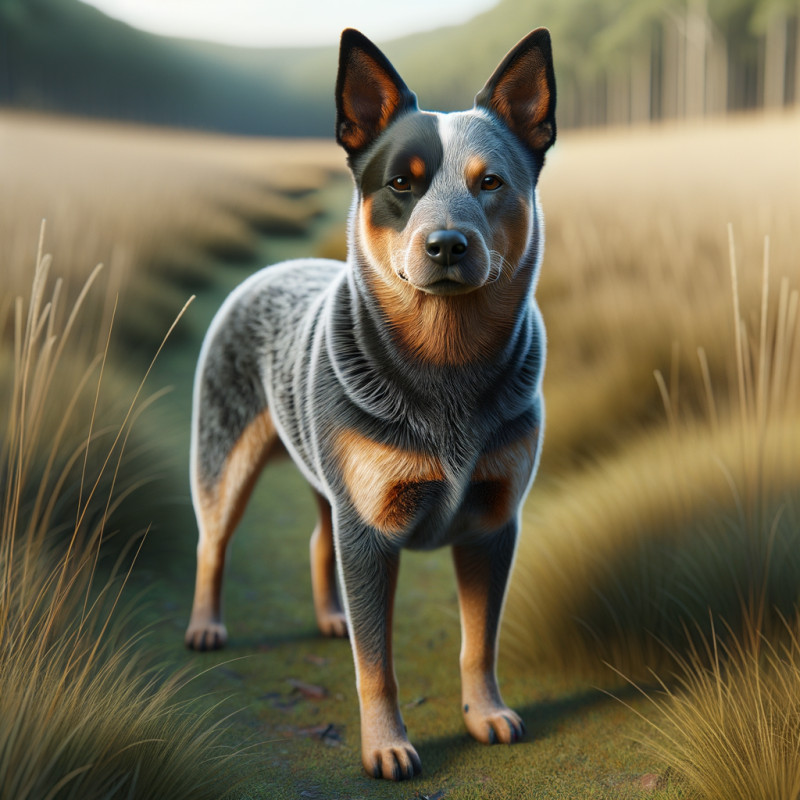
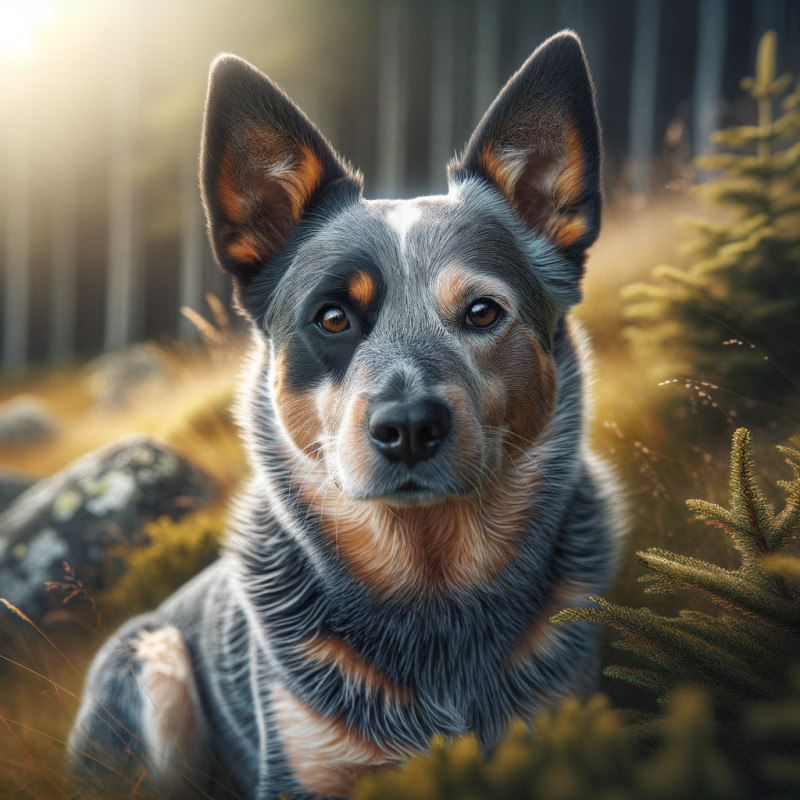
Originating from Australia, these dogs are medium-sized with a sturdy build. Typically weighing between 35 to 50 pounds, they have a distinct blue or red speckled coat that is weather-resistant. Their intelligent eyes are framed by perky ears that stand erect. Known for their agility and endurance, these dogs have a strong, muscular body with a deep chest, designed for herding livestock. With a medium-length tail and a keen expression, their appearance reflects their robust and energetic nature.
Health and Lifespan
Health and Lifespan: Known for their robust health, these dogs are generally prone to few major health issues, though they may occasionally experience hip dysplasia or progressive retinal atrophy. With proper care, including regular exercise and a balanced diet, Queensland Heelers typically enjoy a lifespan of 12 to 16 years. Regular veterinary check-ups, vaccinations, and preventative treatments for common issues ensure they lead long, healthy lives. Proper exercise, mental stimulation, and maintaining a healthy weight are crucial for preserving their overall well-being throughout their lifespan.
Family Compatibility
Highly intelligent, active, and loyal, this breed thrives in a family environment where they are given plenty of mental and physical stimulation. Their herding instincts make them naturally protective of their family members, although they may exhibit nipping behaviors if not properly trained and socialized. With their strong work ethic and agility, these dogs excel in activities such as obedience training, agility courses, and herding trials, making them ideal companions for active families who can dedicate time to their exercise and training needs. Patience, consistency, and positive reinforcement are key to fostering a strong bond and harmonious relationship with these energetic and devoted dogs.
Exercise Needs
These incredibly energetic and intelligent dogs require plenty of daily exercise to keep them happy and healthy. Their high exercise needs make them well-suited for active individuals or families who enjoy outdoor activities. Engaging in various forms of physical exercise such as long walks, jogs, agility training, or play sessions is essential to prevent boredom and behavioral issues. Regular exercise not only helps maintain their physical well-being but also stimulates their sharp minds, ensuring a well-rounded and contented companion. Failure to meet their exercise requirements may result in destructive behavior as they crave mental and physical stimulation.
Diet and Feeding
An ideal diet for this breed includes high-quality dog food rich in protein to support their active lifestyle. It's essential to monitor their food intake to prevent obesity, as they are prone to weight gain. Treats can be given in moderation during training but should not exceed 10% of their daily calories. Fresh water should always be available, especially after exercise or in hot weather. Consulting with a veterinarian for specific dietary recommendations based on age, size, and activity level is recommended to ensure the overall health and well-being of this energetic and intelligent canine companion.
Living Environment
Living Environment: The Queensland Heeler thrives in an active household with plenty of opportunities for exercise and mental stimulation. This breed prefers a spacious, securely fenced yard to roam and play in, as they are known for their high energy levels and herding instincts. Providing daily walks, runs, and interactive play sessions is vital to keep them happy and well-behaved. They enjoy being involved in family activities and may not do well in apartment living. With the right amount of physical and mental exercise, the Queensland Heeler makes a devoted and loyal companion in a home that can meet their needs for activity and engagement.
Grooming
Grooming for this breed is relatively low-maintenance. Their short, weather-resistant coat requires weekly brushing to minimize shedding and maintain skin health. Regular baths are unnecessary, as their coat naturally repels dirt. However, occasional grooming sessions should include nail trimming, teeth cleaning, and ear checks to prevent any issues. Additionally, grooming presents an opportunity to bond with the dog and check for any skin problems or irritations that may require attention. Overall, consistent grooming practices will keep the dog looking tidy and healthy.
Training and Intelligence
Training a Queensland Heeler requires consistent and firm leadership, as they are highly intelligent and independent thinkers. These dogs excel in obedience training and thrive when given challenging tasks that stimulate their mind. Positive reinforcement techniques work best, as they are sensitive to harsh discipline. Due to their herding instincts, socialization from an early age is crucial to ensure they interact well with other animals and people. Regular mental stimulation is essential to prevent boredom, as they are known for their problem-solving abilities. Overall, the Queensland Heeler is a quick learner and eager to please, making them a joy to train.
Exercise and Activity Requirements
These dogs are highly energetic and require ample exercise to prevent boredom and destructive behaviors. A daily routine of vigorous activities such as running, hiking, or playing fetch is essential to keep them mentally and physically stimulated. Providing interactive toys and engaging in dog sports like agility can also help fulfill their exercise needs. Failing to meet their activity requirements can result in behavioral issues, so it's crucial to provide them with plenty of opportunities to burn off their abundant energy. Regular exercise not only keeps them fit but also strengthens the bond between the dog and its owner.
Socialization
Socialization for this breed is crucial to ensure they grow up to be well-rounded and confident dogs. Exposing them to various people, animals, environments, and situations from a young age helps prevent potential behavioral issues such as shyness or aggression. Positive experiences during socialization can also help them develop strong bonds with their family and be more adaptable in different settings. Consistent and positive interactions, training, and exposure to new things will aid in shaping a well-adjusted and happy companion. It is essential to start socialization early and continue throughout the dog's life to maintain positive behaviors and prevent potential problems.
Lifespan
The average lifespan of a Queensland Heeler typically ranges from 12 to 16 years, with some individuals living even longer with proper care and attention. Providing a balanced diet, regular exercise, routine veterinary check-ups, and a loving environment can contribute to extending the lifespan of this intelligent and energetic breed. Additionally, early socialization and training can help prevent behavioral issues that may impact their overall well-being and longevity. By understanding the common health concerns associated with this breed, pet owners can take proactive steps to ensure their Queensland Heeler lives a long and healthy life.
Common Behavioral Issues
Common behavioral issues in this breed may include herding instincts leading to nipping or chasing tendencies, as they are known for their strong working drive. Without proper training and socialization, Queensland Heelers can exhibit fearfulness or aggression towards strangers or other animals. Due to their high intelligence and energy levels, these dogs may become bored easily, resulting in destructive behaviors if not provided with enough mental and physical stimulation. Additionally, they are fiercely loyal and protective, which can sometimes manifest as excessive territorial behavior if not properly managed through consistent training and positive reinforcement techniques.
Special Considerations
Potential owners of this breed should be aware of the Queensland Heeler's high energy levels and intelligence, requiring regular physical exercise and mental stimulation to prevent boredom and behavior issues. Proper socialization from a young age is vital to ensure they interact well with other dogs and people. Additionally, their strong herding instincts may lead to them nipping at heels or attempting to herd children or other pets, so training to redirect this behavior is essential. Providing a job or task for them to do, such as agility or obedience training, can help fulfill their need for mental stimulation and prevent destructive tendencies.
Guardian Instincts
Bred for herding cattle, this energetic and intelligent breed exhibits strong guardian instincts. Known for their loyalty and protective nature, they are naturally inclined to watch over their family members and their home. Queensland heelers are vigilant, quick to alert their owners of any potential threats, making them excellent watchdogs. With proper socialization and training, they can differentiate between friend and foe, showing remarkable discernment in protecting their territory. Their innate sense of responsibility and devotion make them reliable companions who will go to great lengths to keep their loved ones safe.
Allergies and Shedding
Allergies can be a concern with this breed, as they are prone to skin sensitivities and potential food allergies. Regular grooming and baths can help minimize potential allergens. Shedding is moderate to high, with a dense double coat that requires regular brushing to manage loose fur. A consistent grooming routine can help reduce shedding and keep the coat healthy. Additionally, providing a balanced diet with essential nutrients can also support skin and coat health, potentially reducing allergy symptoms. Regular veterinary check-ups can help identify any potential allergies early on and provide appropriate treatment.
Cost of Ownership
The cost of ownership for this breed includes initial expenses such as purchasing from a breeder (estimated $500-$1000), adoption fees ($50-$200), spaying/neutering ($200-$500), and vaccinations ($100-$200). Annual costs typically cover food ($300-$700), grooming supplies ($100), training classes ($100-$300), and routine veterinary care ($200-$400). Emergency veterinary care can range from $300-$3000 per incident. Additionally, ongoing expenses include toys and treats ($100-$300), pet insurance ($300-$1000 annually), and possible boarding or pet sitting fees ($25-$50 per day). Overall, the annual cost of owning this breed can amount to approximately $1000-$3000, excluding unforeseen expenses.
Availability and Adoption
Commonly available in shelters and rescue organizations, this breed is often sought after by those familiar with their high energy levels and intelligence. Prospective adopters should be prepared for a dedicated exercise routine to keep these herding dogs happy and healthy. Due to their working instinct, they thrive in active environments where they can channel their mental and physical energy. As loyal companions, they bond closely with their families, making them a popular choice for those seeking a devoted and hardworking canine partner. Patience and consistent training are key when considering adopting this active and intelligent breed.
Famous Examples
Famous Examples:
Bluey, a Queensland Heeler, holds the record as the world's oldest dog, living to be 29 years and 5 months old. Another notable Queensland Heeler is Red Dog, known for wandering the Australian Outback and forming relationships with various communities. Both Bluey and Red Dog exemplify the breed's intelligence, loyalty, and adventurous spirit, making them beloved figures in the history of canine companions.
Questions & Answers
1) Is the queensland heeler a good fit for families or first-time owners?
Queensland heelers can make great family pets, but they are best suited for active families with experience in handling energetic and intelligent breeds.
2) How much exercise and daily care does a queensland heeler require?
Queensland heelers are high-energy dogs that require plenty of exercise and mental stimulation. They benefit from at least 1-2 hours of exercise each day, along with activities that challenge their intelligence.
3) What health issues are common in queensland heeler?
Common health issues in Queensland heelers include hip dysplasia, progressive retinal atrophy, deafness, and hereditary disorders like hereditary polioencephalomyelopathy.
4) Are Queensland heelers prone to herding behavior?
Yes, Queensland heelers have a strong herding instinct, which can manifest in nipping at ankles or attempting to herd children or other pets. Proper training and socialization can help manage this behavior.
5) What is the typical temperament of a Queensland heeler?
Queensland heelers are known for their intelligence, loyalty, and protective nature. They are alert and active dogs that form strong bonds with their families.
6) Do Queensland heelers do well in apartments or small living spaces?
Queensland heelers are not well-suited for apartment living due to their high energy levels and need for ample exercise. They thrive in homes with access to a securely fenced yard where they can run and play.
7) How should Queensland heelers be socialized from a young age?
Early socialization is crucial for Queensland heelers to prevent them from becoming overly wary or aggressive towards strangers or other animals. Exposing them to various people, animals, and environments in a positive manner can help shape a well-rounded and well-behaved adult dog.