
Scottie - Complete Breed Guide
Scottie - Complete Breed Guide
Breed Overview
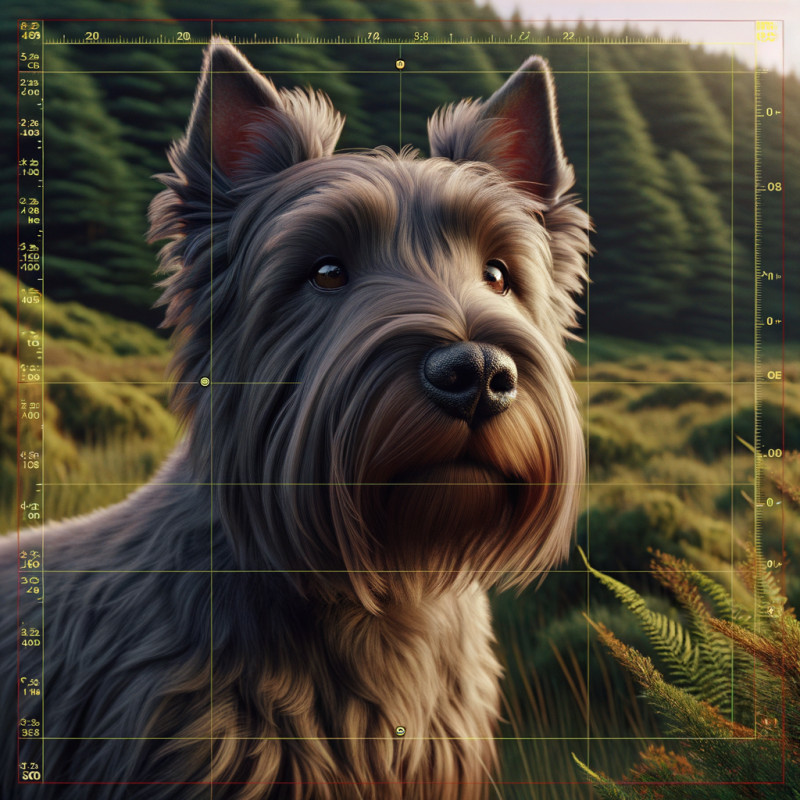
Known for their iconic appearance and spirited personality, this breed was originally developed in Scotland for hunting vermin. Scotties are characterized by their distinctive bearded muzzle, erect ears, and wiry coat that comes in shades of black, wheaten, and brindle. With a confident and independent nature, they possess a strong prey drive and require firm training to channel their energy positively. Despite their small size, these dogs are sturdy and have a dignified demeanor. Scotties are loyal and loving companions, forming deep bonds with their families. This breed thrives on mental stimulation and physical activity to stay happy and healthy.
Adoption & Local Availability
If you’re looking to bring a scottie into your home, there are several ways to find one available for adoption. Below are options to explore both local availability and general listings.
Size and Appearance
The breed is known for its sturdy build and compact size, typically standing between 10 to 11 inches tall and weighing around 18 to 22 pounds. Their distinctive appearance includes a wiry and weather-resistant double coat, which comes in various colors such as black, wheaten, and brindle. The iconic expression of the breed is enhanced by their distinctive eyebrows, erect ears, and a strong, dignified stance. Despite their smaller size, these dogs exude a confident and independent demeanor that adds to their charming and irresistibly unique appearance.
Health and Lifespan
Health and Lifespan: Scotties are generally a healthy breed with a lifespan of 11 to 13 years on average. Common health issues in this breed include Scottie cramp, von Willebrand's disease, and patellar luxation. Regular exercise, a balanced diet, and routine veterinary check-ups are essential for maintaining their well-being. It is recommended to monitor their weight and provide regular dental care to prevent potential health problems. By staying proactive in their healthcare, Scotties can live long, happy lives as cherished family companions.
Family Compatibility
Family Compatibility:
The scottie breed is renowned for its excellent family compatibility, being affectionate, loyal, and devoted to its human family members. They form strong bonds with their owners and are particularly good with children, often becoming playful and protective companions. While they may be reserved around strangers, scotties are generally accepting of other pets in the household, especially when properly socialized. Their adaptable nature allows them to thrive in various living situations, including apartments or houses with yards. Overall, the scottie's loving and dependable demeanor makes them a wonderful addition to any family seeking a devoted canine companion.
Exercise Needs
'Scotties' are a high-energy breed that require regular exercise to maintain physical and mental well-being. Daily walks, playtime, and interactive activities are essential to prevent boredom and potential behavior issues. Engaging in various activities like fetch, agility training, and obedience classes can help fulfill their exercise needs. Providing a fenced yard for safe off-leash play is beneficial, but always supervise outdoor activities due to their strong prey drive. It’s important to tailor the exercise routine to their individual energy levels and age, ensuring they get adequate stimulation to remain healthy and happy.
Diet and Feeding
Scotties thrive on a balanced and high-quality diet to maintain their overall health and well-being. As a medium-sized breed with a muscular build, they benefit from a diet rich in lean proteins to support muscle development. Incorporating essential nutrients like omega-3 fatty acids for a healthy coat and glucosamine for joint health is crucial for their overall vitality. Due to their predisposition for weight gain, portion control and regular exercise are key to preventing obesity. Consult with a veterinarian to determine the best feeding schedule and dietary requirements based on individual needs and activity levels.

Living Environment
Scotties thrive in homes where they are provided with plenty of space to explore and play, but they can adapt well to apartment living if given regular exercise. A securely fenced yard is ideal to prevent these curious and clever dogs from wandering off. They prefer moderate climates and should be protected from extreme heat or cold. Providing cozy bedding and a variety of toys helps keep them mentally stimulated. Scotties also appreciate a consistent routine and enjoy being part of the family activities, making them wonderful companions for households that can offer them love, attention, and a sense of belonging.
Grooming
Regular grooming is essential for maintaining the distinctive appearance of this breed. Scotties have a wiry, weather-resistant double coat that requires weekly brushing to prevent matting and tangling. Additionally, hand-stripping—plucking dead hairs—is often recommended to maintain the harsh texture of their coat. Bathing should be done on an as-needed basis using a mild dog shampoo to avoid skin irritation. Regular maintenance of their ears, teeth, and nails is also important to keep them healthy and comfortable. Proper grooming not only ensures the Scottie's physical well-being but also helps showcase their unique charm and personality.
Training and Intelligence
Training a dog of this breed requires patience and consistency due to their independent nature. Scotties are highly intelligent and quick learners, excelling in obedience training when presented with positive reinforcement and engaging activities. Their intelligence can sometimes lead to stubbornness, so firm yet gentle guidance is crucial. These dogs thrive in environments where mental stimulation is provided, such as puzzle toys or interactive training sessions. Training sessions should be kept interesting and varied to prevent boredom, resulting in a well-behaved and responsive companion who enjoys learning new tricks and commands.
Exercise and Activity Requirements
Exercise and Activity Requirements:
Scotties thrive on daily physical activity to maintain optimal health and prevent boredom. Engaging in brisk walks, energetic play sessions, or interactive games like fetch can help fulfill their exercise needs. Mental stimulation through training sessions or puzzle toys is also essential. A secure fenced yard for safe exploration is ideal, as they can be curious wanderers. While they enjoy a good romp, it's important not to over-exercise them, especially in hot weather, due to their thick coat and potential respiratory issues. Regular exercise contributes to their overall well-being and helps channel their boundless energy effectively.
Socialization
Socialization is crucial for this breed to ensure their well-rounded temperament. Introduce them to various people, pets, and environments early to foster confidence and prevent shyness or aggression. Positive experiences during this period are key in shaping their behavior into adulthood. Regular exposure to new situations helps prevent fear-based behaviors, making them more adaptable and sociable. Encourage interactions with other dogs to teach proper social cues and play manners. Providing consistent socialization throughout their life keeps them friendly and approachable to both familiar faces and strangers, making them wonderful companions in any setting.
Lifespan
Scotties have a typical lifespan of 12 to 15 years, with some individuals living even longer when well taken care of. Factors such as genetics, diet, exercise, and healthcare can all influence a Scottie's lifespan. Providing regular vet check-ups, a balanced diet, mental stimulation, and proper exercise can help ensure they live a long, healthy life. Like all breeds, Scotties may be predisposed to certain health issues that could affect their lifespan, making it crucial for owners to stay informed and proactive about their dog's well-being.
Common Behavioral Issues
Common behavioral issues in this breed can include stubbornness, independence, and a tendency towards assertiveness. Scotties are known for their strong-willed nature, which can sometimes lead to challenges in training and socialization. They may exhibit barking, digging, and even aggression if not properly managed. Early and consistent training with positive reinforcement techniques is key to addressing these behaviors. Providing mental and physical stimulation, along with clear boundaries and leadership, can help prevent behavioral issues in Scotties and ensure a well-balanced companion. Regular exercise and socialization are vital for a happy and well-behaved Scottie.
Special Considerations
Special Considerations:
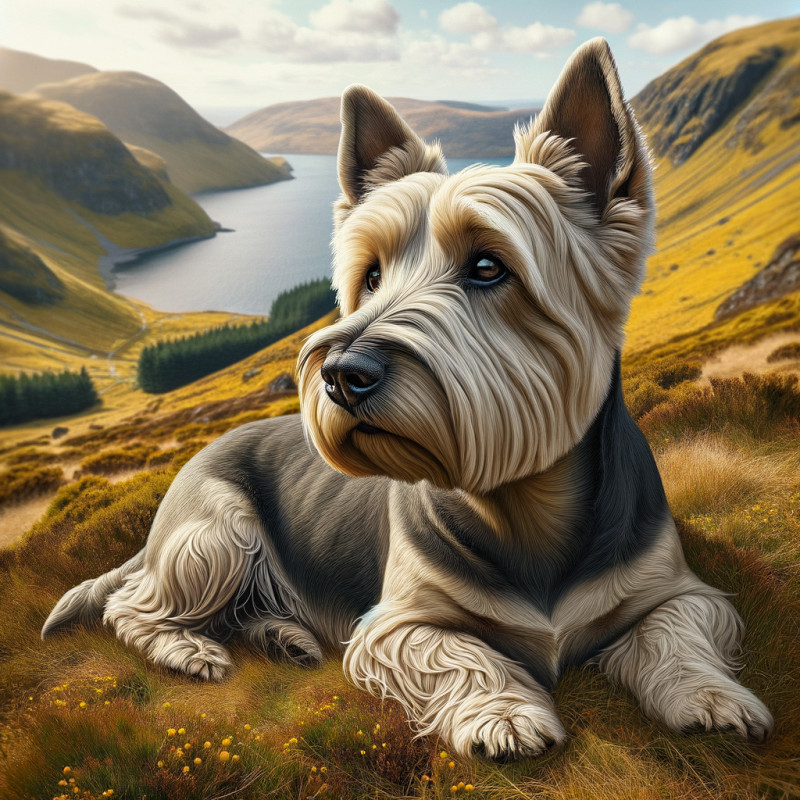
When considering this breed, it's important to note that their wiry coat requires regular grooming to prevent matting. Scotties are known to have a stubborn streak, so consistent training and socialization from a young age are essential. Due to their strong prey drive, they should be kept on a leash or in a secure area when outside. Additionally, Scotties are prone to certain health issues such as Scottie cramp and von Willebrand's disease, so regular veterinary check-ups are crucial. As independent dogs, they thrive on mental stimulation and enjoy activities that engage their sharp minds.
Guardian Instincts
Scotties are known for their strong guardian instincts, making them excellent watchdogs. Their innate sense of loyalty and territorial nature drive them to protect their home and family members. This breed's alert and vigilant nature allows them to quickly sense potential threats, alerting their owners with their distinctive bark. While they may be reserved around strangers, Scotties are fiercely protective of their loved ones. Proper socialization and training can help channel this protective instinct in a positive way, ensuring they remain well-behaved and reliable guardians.
Allergies and Shedding
Scotties are known for their minimal shedding, making them a good choice for allergy sufferers. Their low dander levels and single-layered coat reduce allergens in the home. Regular grooming can further minimize shedding. However, potential owners with allergies should spend time with Scotties before committing to ensure they don't trigger any reactions. Proper hygiene and a balanced diet contribute to their coat health, further reducing shedding. While no dog breed is completely hypoallergenic, Scotties are often a more tolerable option for individuals prone to allergies and sensitivities.
Cost of Ownership
The cost of owning a Scottie includes initial expenses such as purchasing from a reputable breeder, which can range from $800 to $2500. Additional costs include supplies like food, grooming tools, and a collar, averaging around $500 annually. Budget for veterinary care, including vaccinations, preventative medications, and unexpected illnesses, averaging $500 to $1000 per year. Factor in grooming costs for professional trims every 6-8 weeks, costing approximately $60 per grooming session, leading to an annual grooming budget of $500 to $700. Overall, owning a Scottie can cost between $1500 to $5000 per year, depending on various factors.
Availability and Adoption
Scotties are a popular breed, resulting in a moderate availability from reputable breeders. However, due to their unique traits, finding one at a shelter or through rescue organizations can also be possible. Adoption fees may vary but generally range from $200 to $500 depending on the source. It's important to ensure proper health checks and inquire about the dog's background when adopting to guarantee a smooth transition into their new home. Researching local shelters, breed-specific rescues, and online adoption platforms can help in the search for a Scottie companion.
Famous Examples
Famous examples of this distinguished terrier breed include President Franklin D. Roosevelt's beloved companion, Fala, who became a well-known figure during Roosevelt's time in office. Another notable Scottie is Barney, who belonged to former U.S. President George W. Bush and even starred in "Barney Cam" videos during the holiday seasons. Additionally, a Scottie named Sophie became a social media sensation with her adorable photos and videos, capturing the hearts of many online. These famous Scotties showcase the breed's loyalty, intelligence, and charming personality that have endeared them to people around the world.
Questions & Answers
1) Is the scottie a good fit for families or first-time owners?
Scottish Terriers, or Scotties, can be good family pets but may not be the best choice for first-time owners due to their independent and stubborn nature. They require consistent training and socialization from an experienced owner.
2) How much exercise and daily care does a scottie require?
Scotties are energetic dogs that need regular exercise to stay healthy and happy. They require daily walks and playtime, as well as mental stimulation. Grooming is also important for their wiry coat.
3) What health issues are common in scotties?
Some common health issues in Scottish Terriers include Scottie Cramp, von Willebrand's Disease, patellar luxation, and allergies. Regular veterinary check-ups are essential to monitor and address any potential health concerns.
4) How would you describe the temperament of a scottie?
Scottish Terriers are known for their independent, alert, and confident nature. They can be stubborn at times but are also loyal and loving towards their families.
5) Are scotties good with other pets or children?
Scotties can get along well with other pets if properly socialized from a young age. However, they may not always have a high tolerance for rough handling from children and should be supervised around young kids.
6) Do scotties do well in apartments or need a large yard?
Scottish Terriers can adapt well to apartment living as long as they receive enough exercise and mental stimulation. Having access to a secure outdoor area where they can play and explore is beneficial, but they can thrive in smaller living spaces with proper care.
7) What are some training tips for scotties?
Consistent and positive reinforcement training techniques work best with Scotties. They respond well to firm and patient leadership but may test boundaries due to their independent nature. Early socialization and training are key to raising a well-behaved Scottie.